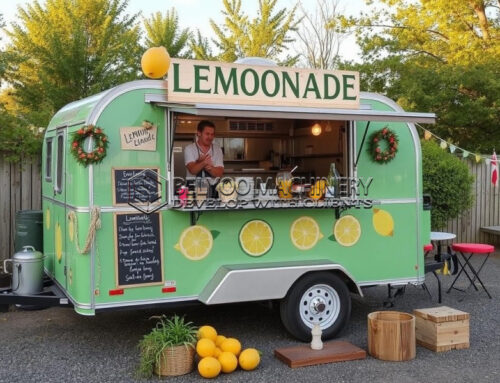
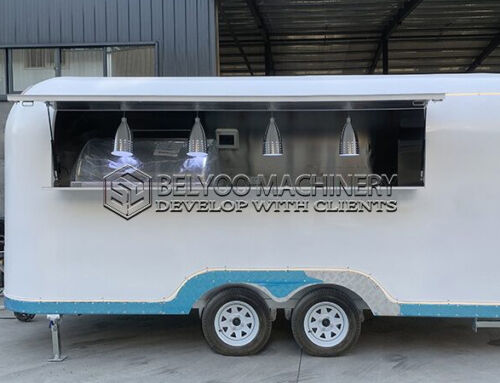
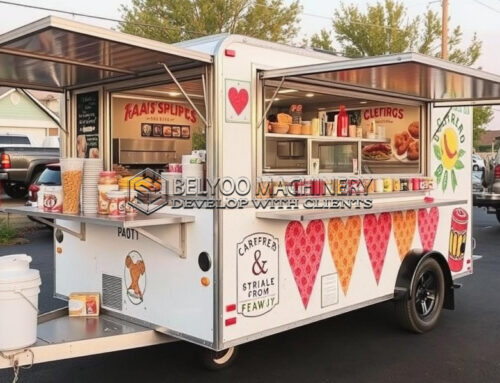
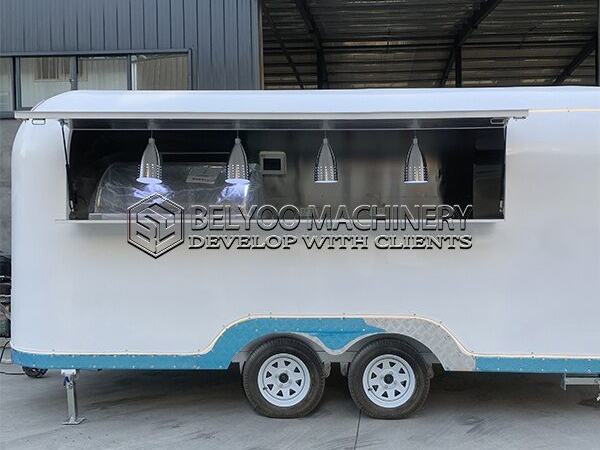
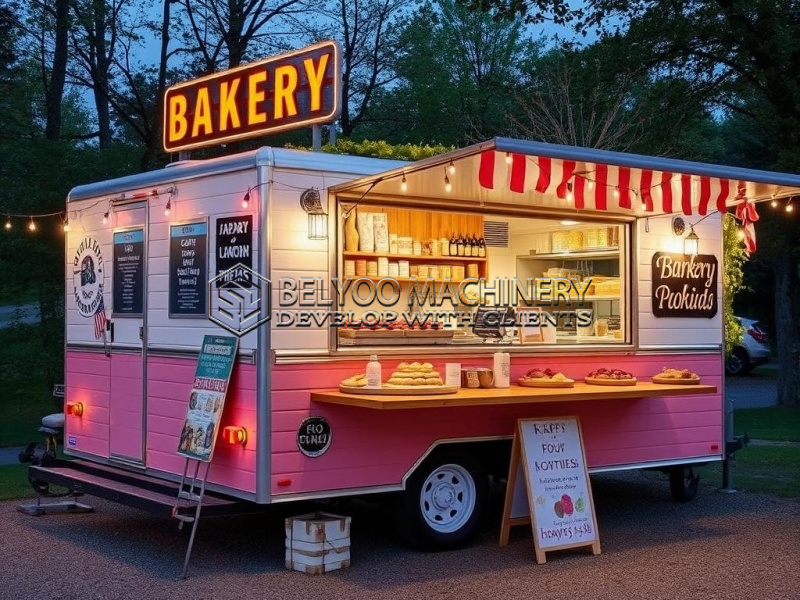
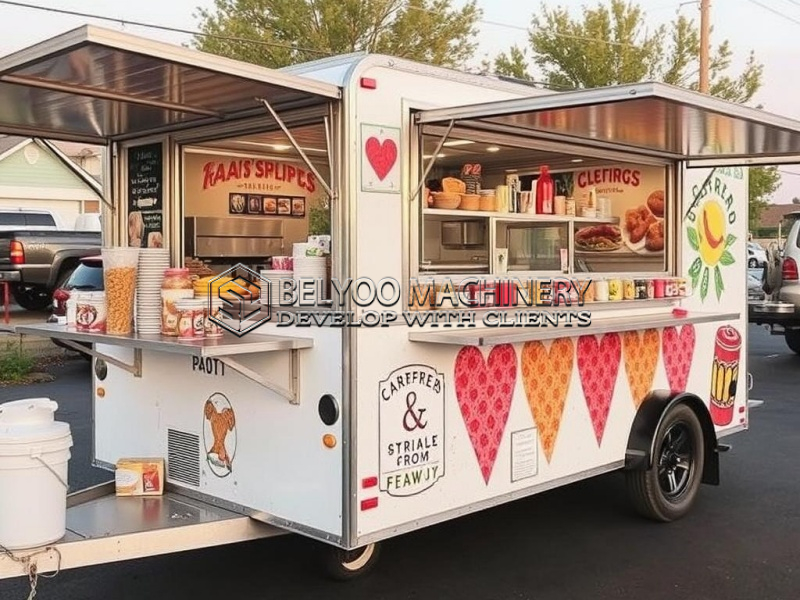
A breakfast food truck is a mobile catering unit that integrates cooking, sales, and display, designed to meet the immediate dining needs of morning commuters, students, office workers, and outdoor activity participants. Its compact design blends modern aesthetics with functionality, and it is typically equipped with eye-catching branding, a transparent operating window, and a convenient ordering system, allowing customers to enjoy a hot breakfast within 3 minutes.
Key Features
1.Flexibility and Low-Cost Operation
- No high store rent required; location can be flexibly adjusted based on foot traffic, lowering the barrier to entry for entrepreneurs.
- Modular design supports rapid modification to adapt to different seasonal or holiday-themed menus (e.g., Christmas limited-edition hot drinks, summer cold brew coffee).
2.Technology-Enabled Efficient Service
- Integrated smart ordering system supports QR code ordering, pre-orders, and membership points, reducing queue time.
- Solar panels or energy-saving equipment reduce energy consumption, aligning with environmental trends.
3.Customizable Menu to Meet Diverse Needs
- From classic American breakfasts (omelets, bacon sandwiches) to healthy light meals (oatmeal bowls, avocado toast), and even incorporating local specialties (e.g., Chinese soy milk and fried dough sticks, Japanese rice balls).
- Offering vegetarian, gluten-free, and low-sugar options to attract health-conscious consumers.
4.Brand Story and Social Media Marketing
- The food truck’s exterior can be customized as a “mobile billboard,” attracting photo opportunities through graffiti, LED screens, or IP collaborations.
- Combined with social media marketing (e.g., TikTok, Instagram), creating a “viral breakfast truck” effect.
Internal Equipment
- Cooking Area: Multi-functional grill, steamer, and microwave oven, supporting simultaneous preparation of hot and cold meals.
- Beverage Area: Commercial coffee machine, juicer, and water heater, catering to needs for coffee, tea, hot chocolate, etc.
- Storage Area: Refrigerated cabinets, freezers, and dry goods storage shelves, ensuring food freshness and categorized management.
- Service Area: Transparent food pick-up window, cashier system, and sterilization cabinet, ensuring hygiene and smooth processes.
- Energy System: Generator or external power interface, supporting off-grid operation; some models are equipped with wastewater recycling devices, meeting environmental standards.
Application Areas
1.Urban Commuting Scenarios
- Locations at subway entrances and bus hubs, providing commuters with convenient “grab-and-go” breakfast options.
- Introducing “breakfast sets” (main course + drink + snack), at affordable prices to increase repeat purchase rates.
2.School and Community Markets
- Roaming around school gates and residential areas, attracting students and families.
- Introduce child-friendly menus (such as cartoon-shaped sandwiches and fruit yogurt cups).
3.Events and Festivals
- Participate in temporary events such as music festivals, marathons, and farmers’ markets, providing specialty breakfasts or energy drinks.
- Partner with businesses to serve as “mobile breakfast stations” for employee benefits.
4.Tourism and Scenic Area Services
- Provide local specialty breakfasts (such as jianbing guozi and French crepes) at scenic area entrances or campsites to enhance the visitor experience.