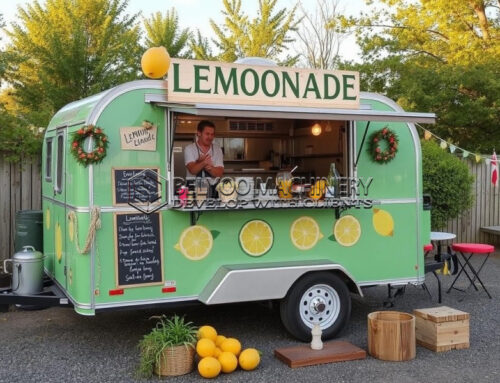
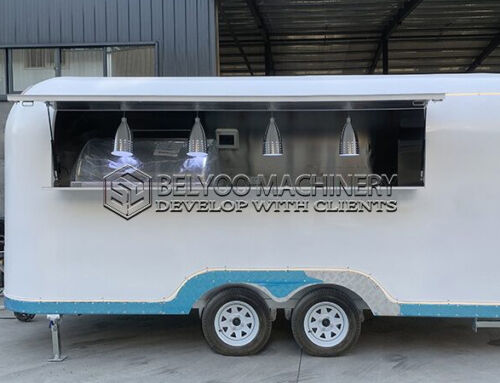
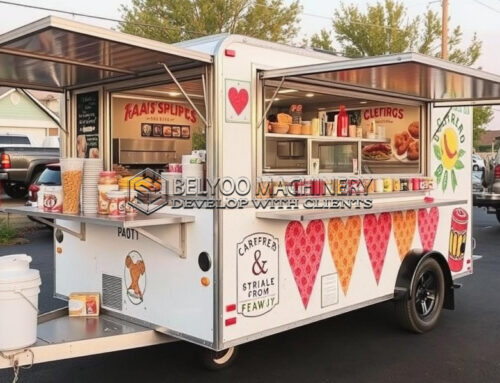
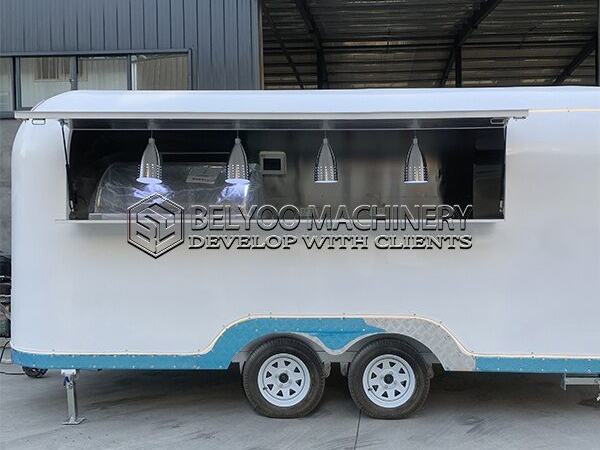
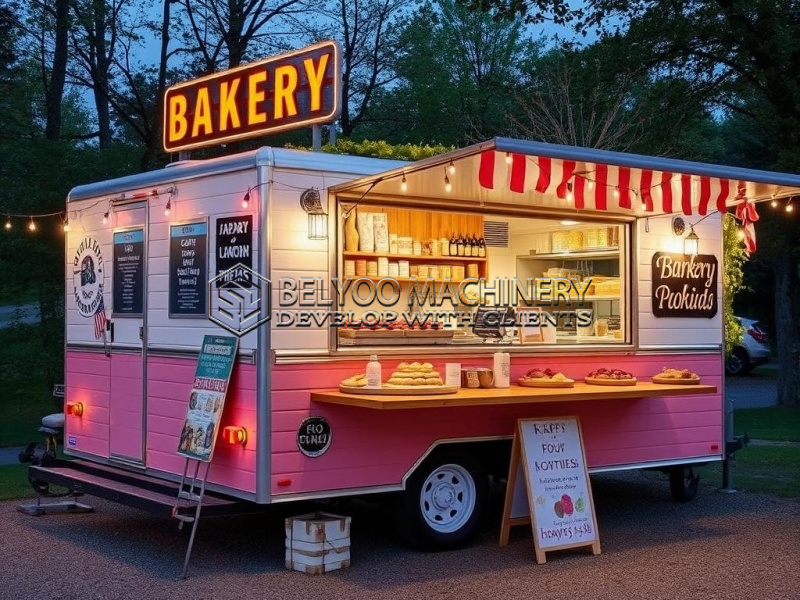
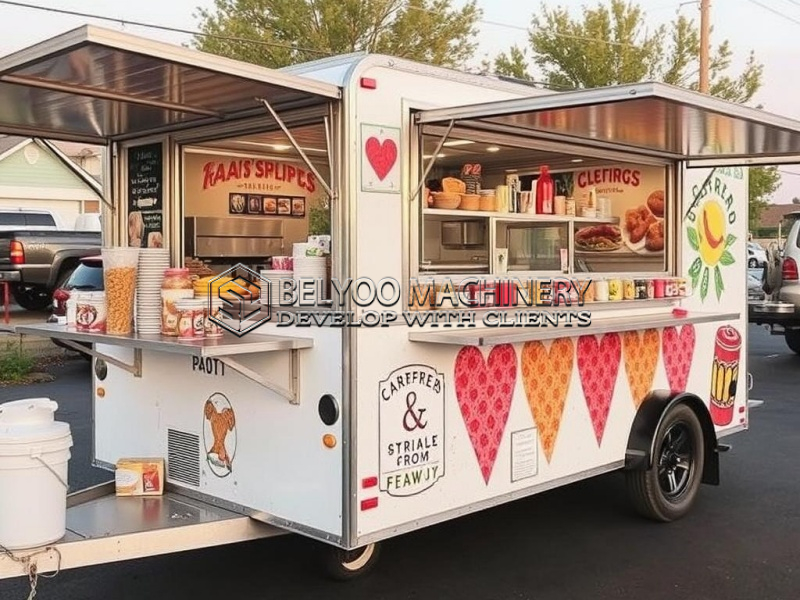
Lunch food trailers are towable mobile kitchens optimized for preparing and serving meals during peak lunch hours. Unlike food trucks, which are self-propelled, these trailers require a separate vehicle for transportation but offer significantly more interior space. Ranging from 16 to over 30 feet in length, they feature robust construction, modular interiors, and advanced equipment to handle high-volume service while maintaining mobility.

Key Features
1.Spacious, Customizable Interiors
Lunch trailers boast ample room for full-sized commercial kitchen equipment, including refrigerators, stoves, grills, and prep stations. Modular layouts allow operators to reconfigure spaces for seasonal menus or event-specific setups (e.g., a salad bar one week, a hot dog stand the next). For instance, the 2025 Australian Standard Food Trailer offers adjustable counter heights and storage compartments, enabling seamless transitions between breakfast burritos and gourmet lunches.
2.Advanced Mobility & Stability
Equipped with large wheels, heavy-duty tow bars, and reinforced frames, these trailers handle diverse environments—from bustling city streets to outdoor festivals. The Australian Standard model features a hitch system designed for off-road stability, ensuring smooth operation even in remote locations.
3.Compliance & Safety
Certified to meet international standards like CE and DOT, lunch trailers adhere to strict hygiene and structural requirements. Fire suppression systems, proper ventilation, and non-slip flooring are standard, minimizing risks during high-pressure service.
4.Energy Efficiency
Many models incorporate solar panels or energy-efficient appliances to reduce operational costs. For example, LED lighting and blast chillers help maintain food quality while conserving power.
Internal equipment
1.Cooking Appliances
- Commercial-grade grills, flat-top griddles, and deep fryers for hot meals (burgers, sandwiches, fries).
- Induction cooktops or convection ovens for healthier options (grilled chicken, roasted vegetables).
- Soup kettles and pasta cookers for soups and pasta dishes.
2.Refrigeration & Storage
- Walk-in coolers or under-counter refrigerators for fresh ingredients.
- Freezers for ice cream, frozen entrees, or desserts.
- Prep tables with built-in cold storage to streamline workflow.
3.Serving & Display
- Digital menu boards for easy updates and vibrant visuals.
- Condiment stations with pump dispensers and spice shakers.
- Insulated food carriers for off-site catering.
4.Safety & Convenience
- Fire extinguishers, first-aid kits, and non-slip mats.
- Portable phone chargers and POS systems for cashless transactions.
Applications Across
1.Corporate Catering
- Ideal for office parks, employee appreciation events, or client lunches, trailers serve fresh, customizable meals directly to workplaces. For example, a tech company might hire a trailer for a weekly “Taco Tuesday” or a milestone celebration.
2.Educational Institutions
- Universities and schools use lunch trailers during orientation weeks, sports events, or fundraisers. A trailer parked outside a lecture hall can serve coffee and pastries in the morning, then switch to pizza or wraps for lunch.
3.Large-Scale Events
- Festivals, fairs, and concerts rely on trailers to feed thousands efficiently. Their spacious interiors allow multiple chefs to work simultaneously, reducing wait times. The Australian Standard model claims to serve 150+ meals per hour, rivaling brick-and-mortar restaurants.
4.Food Truck Parks & Pop-Ups
- Entrepreneurs use lunch trailers as anchor units in food truck parks, offering signature dishes (e.g., lobster rolls, gourmet grilled cheese) alongside smaller carts. Their mobility also supports seasonal pop-ups at farmers’ markets or beachside locations.
5.Disaster Relief & Community Support
- Nonprofits deploy lunch trailers to disaster zones or underserved areas, providing hot meals quickly. Their self-contained design ensures operation even without external power or water.