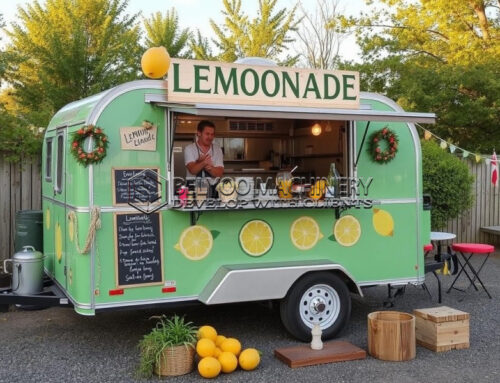
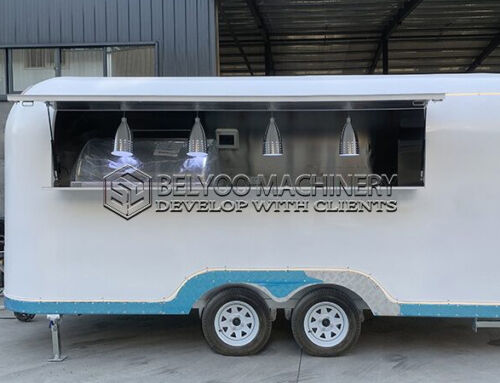
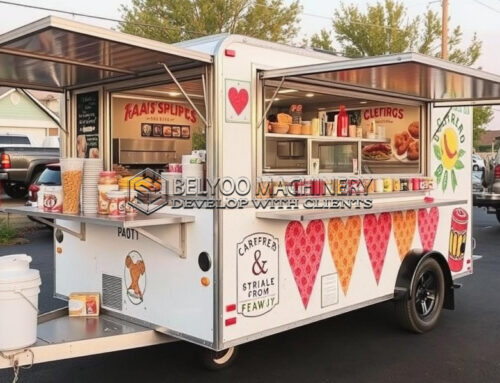
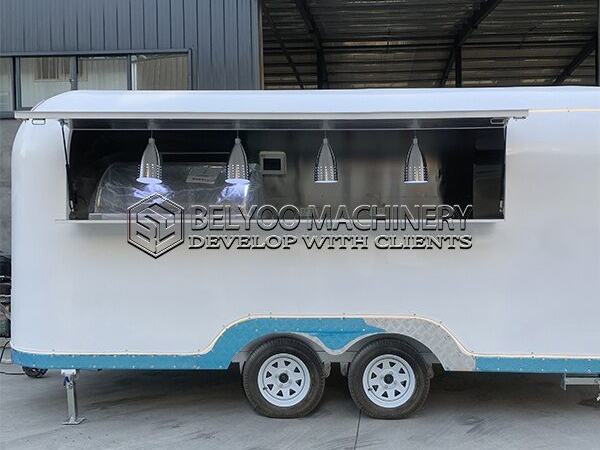
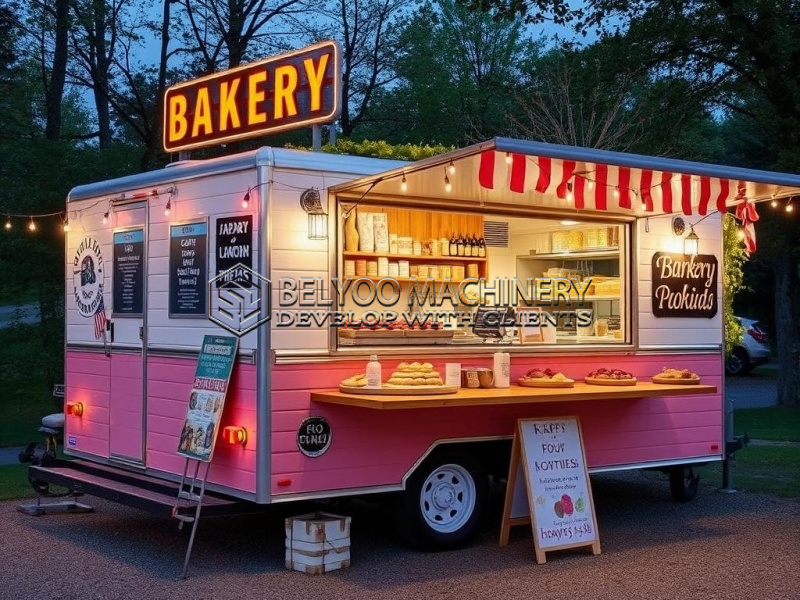
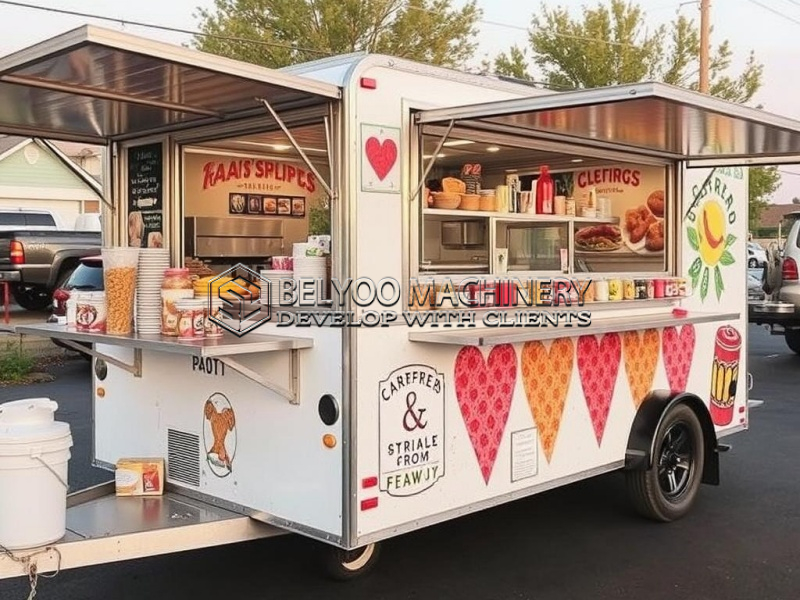
Churro food trailers are essentially mobile kitchen units designed specifically for making churros, a traditional Spanish dessert. Their exteriors typically combine bright colors with retro elements, featuring open windows and striking signage for a strong visual appeal. Flexible in size, ranging from a compact 7.2-foot model to a customized large truck, they adapt to various needs. For example, one brand’s 7.2-foot truck integrates a fully automated churro-making machine, a twin-cylinder fryer, and a temperature-controlled display case, with a daily capacity of over 500 churros, meeting peak demand.

Key Features
1.High Mobility
Utilizing a lightweight aluminum alloy frame and independent suspension system, the trucks can easily navigate city streets, night markets, music festivals, and other locations. Some models are equipped with an electric towing system, allowing for deployment by a single person, significantly reducing operating costs.
2.Modular Design
The interior space uses a standardized modular layout, allowing for flexible adjustments to equipment configuration as needed. For example, a customized food truck separates the fryer area, filling area, and cashier counter, allowing for quick functional area conversion via removable partitions, adapting to the business model upgrade from single-item sales to combo meals.
3.High Efficiency and Energy Saving
Equipped with an intelligent temperature-controlled fryer and energy-efficient refrigeration equipment, energy consumption is reduced by 40% compared to traditional kitchens. Taking a 15L electric churro machine as an example, its stainless steel inner liner and five sets of replaceable molds support the simultaneous production of different churros, reducing single-serving time to 2 minutes.
4.Hygiene and Safety
The fully enclosed operating table and splash-proof design comply with HACCP standards, and some models integrate automatic fire suppression systems and ultraviolet disinfection devices. For example, a California-based food truck brand is NSF certified; its double-layer oil filtration system can extend the life of cooking oil by 3 times, reducing operational risks.
Internal Equipment
1.Core Production Equipment
- Churros Forming Machine: Supports various molds such as spiral, star, and strip shapes, with a production capacity of up to 200 churros per hour.
- Twin-cylinder fryer: Independent temperature control zones (160-190℃) ensure even frying; equipped with an oil filtration and circulation system.
- Filling machine: Capable of filling 6 flavors including chocolate and custard, with a filling accuracy of ±0.5ml.
2.Auxiliary Equipment System
- Refrigerated display case: 4℃ constant temperature storage for fresh milk and fillings; 150L capacity.
- Stainless steel worktable: Non-slip surface and drainage design for easy cleaning and maintenance.
- POS and ordering system: Integrates mobile payment and inventory management functions; supports multilingual interface.
3.Safety and Environmental Protection Devices
- Gas alarm: Real-time monitoring of combustible gas concentration; automatic gas shut-off if levels exceed limits.
- Waste oil recycling bin: Sealed design to prevent leakage; meets environmental regulations.
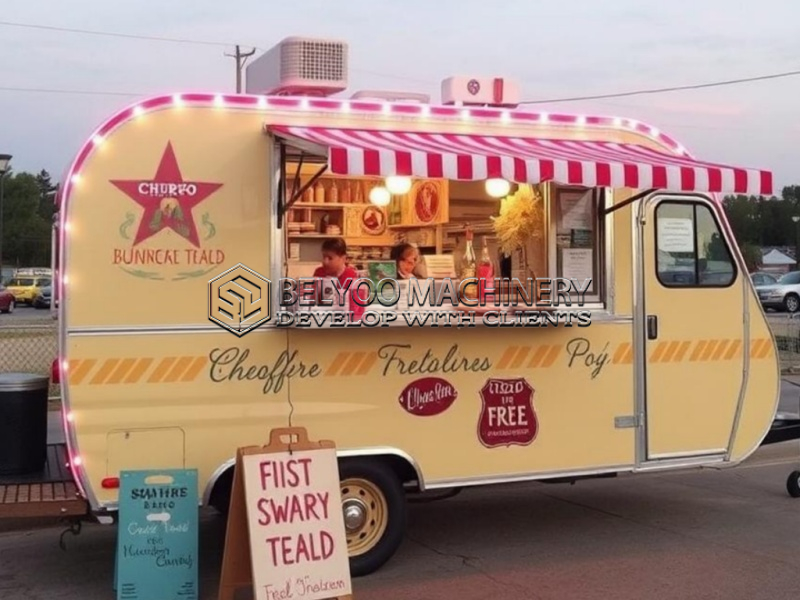
Application Areas
1.Street Economy
Churros trucks have become must-visit attractions for tourists in places like Times Square in New York and Covent Garden in London. One brand achieved daily sales exceeding $3,000 through a strategy of “classic frosting + seasonal limited flavors.”
2.Event Catering
In large-scale events such as music festivals and sporting events, food trucks can be quickly deployed as mobile dessert stations. For example, during the Coachella Music Festival, one operator used a network of 10 food trucks, serving over 20,000 attendees daily.
3.Commercial Complexes
In fixed locations such as shopping mall atriums and office building complexes, food trucks operate as “pop-up stores,” reducing rental costs. One shopping mall saw a 15% increase in foot traffic after introducing a churros food truck, boosting sales for surrounding businesses.
4.Brand Collaborations
Cooperating with coffee and ice cream brands to launch crossover products, such as churros dipped in lattes and ice cream-filled churros. One chain brand piloted new flavors using food trucks, testing market feedback before rolling them out to stores, reducing R&D risks.