Complete Guide to Importing from China: 8 Key Steps from Design to Delivery
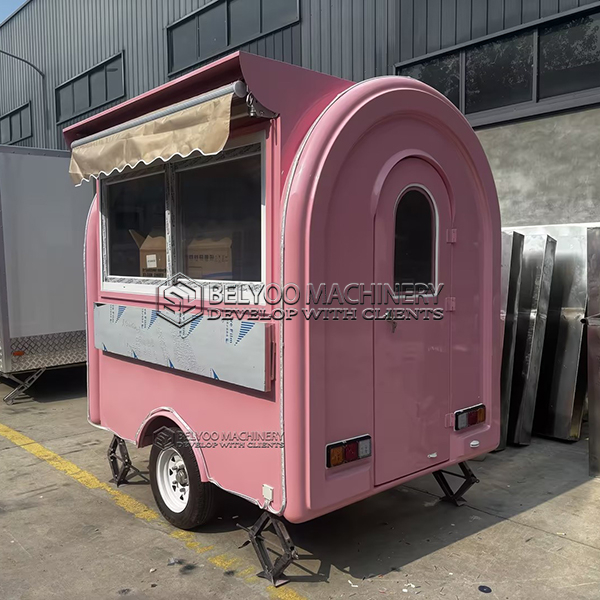
Buying a stock trailer off the lot is easy. But importing a custom-built unit from China that matches your menu, passes local inspection on the first try, and still feels right three years later takes careful planning. A custom food trailer gives you that control – but only if you make the right decisions in the right order, and that starts with choosing the right manufacturing partner overseas.
Most first‑time importers get this backwards. They fall in love with a floor plan, put down a deposit with a Chinese builder, then discover their local health department requires a fourth sink, or that their half‑ton pickup cannot legally tow the finished unit. Fixing either problem after fabrication starts is expensive – and even more so when shipping is involved.
This guide walks through the eight steps in the order that actually works – from your first menu draft to the day your trailer arrives at your door.
Why Import a Custom Trailer Instead of Buying Locally?
Stock concession trailers are built to sell to the widest possible audience. They are affordable and fast to get, and for simple menus (coffee, shaved ice, hot dogs) a stock unit is often the smart choice – whether bought locally or imported.
However, importing a custom build from China makes particular sense when:
- You need specialized or heavy equipment. Wood‑fired ovens, offset smokers, tandoors, and combi ovens require specific clearances, floor reinforcement, and ventilation – many Chinese manufacturers are experienced in fabricating these to your exact specs at a lower cost.
- You plan high‑volume service. If you expect to push 200+ tickets during a festival rush, a well‑designed layout can earn you more per hour – and Chinese builders often offer more flexibility in layout customisation.
- You face tight local codes. Some jurisdictions demand extra sinks, specific water capacity, or particular floor/wall materials. Building to code from the start is cheaper than retrofitting, and a good Chinese manufacturer will work with your written requirements.
- You want a brand‑driven design. Backlit menu boards, full‑length drop‑down windows, or custom exterior profiles – all can be designed in, not bolted on later, often at a fraction of domestic fabrication costs.
The trade‑off: Importing adds shipping time (typically 4‑6 weeks by sea) and customs clearance, but the build itself usually takes 8‑16 weeks. Total lead time from design to delivery is often 12‑22 weeks. The payoff is a kitchen that fits your workflow perfectly, at a competitive price.
Step 1: Lock Your Menu Before Anything Else
Your menu determines your equipment. Your equipment determines your layout, power draw, water capacity, and ultimately your trailer length. Every downstream decision traces back to this one – which is why it comes first.
Write out your full opening menu, including items you plan to add in year two. For each item, list the equipment it touches from prep to hand‑off. A single smash burger needs a flat‑top griddle, refrigerated storage for patties, a prep surface for dressing buns, and a warming zone for holding fries.
Then apply a hard filter: cut anything that requires equipment you will use for only one item. A dedicated crepe griddle that serves one dessert is 30 inches of counter space you will wish you had back during a lunch rush.
📋 Deliverable for this step: a one‑page equipment list with model numbers (where you already know them), plus each unit’s dimensions, voltage or BTU rating, and whether it sits under the hood.
Step 2: Set a Realistic Total Budget (Including Import Costs)
The trailer itself is not your only cost. Importers often forget freight, insurance, customs duties, and port handling fees. A finished trailer that sits at the dock because you didn’t budget for clearance fees earns nothing.
Here is how a typical mid‑size custom build from China breaks down (USD):
| Cost Item | Typical Range (USD) |
|---|---|
| Custom trailer shell & fabrication (ex‑works China) | $18,000 – $40,000 |
| Cooking equipment | $8,000 – $30,000 |
| Ventilation hood & fire suppression | $3,000 – $8,000 |
| Refrigeration | $3,000 – $10,000 |
| Water system (tanks, pump, heater) | $1,500 – $4,000 |
| Electrical, generator or shore power | $1,500 – $6,000 |
| Exterior wrap & branding | $2,000 – $5,000 |
| Ocean freight & insurance (40‑ft container) | $2,500 – $6,000 |
| Customs duties & import taxes (approx. 5‑10%) | $2,000 – $6,000 |
| Permits, licenses, local inspections | $500 – $3,000 |
| Insurance (first year) | $1,000 – $3,000 |
| Opening inventory & smallwares | $2,000 – $5,000 |
| Contingency (15‑20% of build + shipping) | $5,000 – $12,000 |
🔔 Two critical notes:
- The contingency line is not optional. Importing introduces extra surprises: currency fluctuations, port delays, changes in customs regulations, or last‑minute equipment substitutions.
- If you don’t already own a suitable tow vehicle, add $25,000 – $60,000 or budget for rentals.
The realistic all‑in figure for a well‑equipped custom food trailer imported from China typically lands between $50,000 and $120,000 – often 20‑30% less than a comparable domestic build.
Step 3: Research Local Codes Before You Design
This is the step people skip – and it is the most expensive one to skip. There is no such thing as a universally compliant food trailer. NSF, ETL, and UL listings help, but your local health department has final say, and requirements vary sharply between neighbouring counties.
📞 Call your health department and mobile vending office and get answers in writing on:
- Sink requirements: Most jurisdictions want a three‑compartment sink plus a separate hand‑wash sink. Some add a dedicated mop sink or a fourth compartment.
- Water capacity minimums: Many codes set a floor on fresh water volume and require the grey tank to be 15% larger than the fresh tank.
- Interior surface rules: Expect requirements for smooth, non‑absorbent, cleanable surfaces, coved corners where walls meet floors, and no exposed wood in prep areas.
- Hood and fire suppression: Any grease‑producing appliance triggers hood requirements, and the hood typically must overhang the cooking surface by a set distance on all sides.
- Commissary agreements: Most health departments will not issue a permit without a signed contract with a licensed commissary kitchen for prep, water, and waste disposal. Secure this before your permit application, not after.
- Zoning and vending restrictions: Find out where you may legally park and sell. Some cities set minimum distances from brick‑and‑mortar restaurants or schools.
📎 Provide these written requirements to your Chinese builder. A reputable manufacturer will build to your jurisdiction’s code if you hand them the specifications. Without that, they build to a general standard – and you absorb the difference, often at a higher cost due to shipping delays.
Step 4: Design Your Layout Around Workflow, Not Aesthetics
Once you have your menu, budget, and code requirements, you can design the floor plan. The goal is not to make the trailer look good on paper – it’s to minimise the number of steps and direction changes between receiving an order and handing off the finished plate.
Start with your service window – that is your output point. Work backwards from there.
Standard efficient flow
| Zone | Purpose |
|---|---|
| 1. Service window + POS station | Where money and food change hands |
| 2. Expo and bagging zone | Heat lamps, drink station, packaging supplies |
| 3. Cooking line | Griddle, fryer, grill – all under a single ventilation hood |
| 4. Cold prep | Sandwich station, cold storage, salad prep |
| 5. Dry storage and receiving | Typically at the tongue end, out of the way during service |
This linear flow keeps your cook and cashier from crossing paths. In a two‑person operation, one person can stay on the line while the other handles POS and expo without ever stepping past each other.
Key layout principles
- ✅ Place the hand‑wash sink near the entry and near the service window so it gets used, not ignored.
- ✅ Position your three‑compartment sink where dirty dishes do not travel through clean prep areas.
- ✅ Group all grease‑producing equipment so a single hood covers them. Multiple hoods are expensive and eat ceiling height.
- ✅ Install enough counter space between the griddle and the fryer that you are not juggling hot pans over open flame.
- ✅ Use upper shelves and magnetic strips to keep tools within arm’s reach without cluttering the counter.
Expect multiple revisions. Share your draft with people who have actually run a mobile kitchen, not just designed one. They will catch the things you miss – and when working with a Chinese builder, clear 2D/3D drawings are essential to avoid miscommunication.
Step 5: Choose Your Power, Water, and Gas Strategy
Utilities are not glamorous, but miscalculating any of them puts your whole operation on hold. Your equipment list from Step 1 gives you the baseline numbers – now convert those into system requirements. Remember that Chinese manufacturers may use different voltage standards (e.g., 220V/50Hz) – you must specify 110V/60Hz or 240V/60Hz for North American use.
⚡ Electrical
Add up the wattage of every appliance that runs at the same time. Do not forget the refrigerator, freezer, water heater, exhaust fan, and interior lights. Most commercial equipment runs on 110V or 240V. If you are planning to work off‑grid, your generator needs to supply 20‑30% more than your peak calculated draw to handle startup surges.
- For frequent events, an inverter generator in the 5,000 to 8,000‑watt range is typical. Quiet models cost more but let you work in noise‑restricted zones.
- If you have shore power, skip the generator and install a heavy‑duty inlet and breaker panel.
💧 Water
Health codes usually set a minimum fresh water capacity. Beyond that, estimate one gallon per customer served, then double it. Running dry halfway through a shift kills your revenue and creates a safety violation.
- Most trailers use a fresh tank between 30 and 60 gallons, paired with a grey tank 10‑15 gallons larger.
- Install a water pump with enough pressure to reach all fixtures simultaneously – a 12V RV‑style demand pump works for most applications.
- Heat your water with a propane or electric on‑demand unit. Traditional tank heaters waste space and energy. Ensure the heater delivers water hot enough to meet sanitation requirements (typically 110°F at the tap).
🔥 Propane
If your fryers, griddles, or ovens run on propane:
- Calculate total BTU demand and plan tank capacity accordingly. Two 20‑lb cylinders handle light use, but high‑volume kitchens often install dual 100‑lb horizontal tanks with an automatic switchover valve.
- Mount tanks in an exterior compartment with ventilation to the outside. Most fire codes prohibit propane inside the kitchen space.
Step 6: Vet Builders and Get Everything in Writing
Not all Chinese food trailer manufacturers are equal. Some specialise in rapid turnkey builds with limited customisation; others act like architectural fabricators, engineering solutions for unusual menus or extreme climates. Match the builder to your project’s complexity.
Questions to ask every manufacturer
| Question | Why it matters |
|---|---|
| How many trailers have you exported to my country in the past 12 months? | Experience with export documentation and compliance is crucial. |
| Do you handle shipping and customs clearance, or do I need a freight forwarder? | Some offer door‑to‑door service; others only deliver to the port. |
| What is included in the quoted price? | Clarify whether it includes equipment installation, exterior wrap, and payment schedule. |
| What is your warranty, and how do I claim it from overseas? | Structural warranties often run 3‑5 years, but parts may need to be shipped back – get terms in writing. |
| Can I see a trailer under construction and speak to a recent international customer? | Both answers should be yes. If not, walk away. |
What your contract must include
Once selected, convert your entire scope into a written contract that contains:
- 📐 Detailed floor plan with dimensions and material specifications
- 📋 Full equipment list with make and model numbers
- 🔌 Electrical, plumbing, and gas line diagrams
- 📅 Timeline with milestones and payment schedule (typically 30% deposit, 40% during build, 30% before shipment)
- 🛡️ Warranty terms for frame, shell, and installed systems
- 🚛 Shipping terms (Incoterms – e.g., FOB, CIF) and who handles freight, insurance, and customs
Never accept “we’ll figure it out during the build” on any major decision. Scope changes mid‑project cost more – and when overseas, miscommunication is amplified.
Step 7: Plan for the Build Timeline and Stay Involved
A typical custom food trailer build in China takes 8 to 16 weeks, depending on complexity, factory workload, and equipment lead times. Add 4‑6 weeks for sea freight and 1‑2 weeks for customs clearance. Total time from deposit to delivery is often 14‑24 weeks.
📸 Track progress weekly. Most Chinese manufacturers are happy to send photo updates, and many offer video calls. Use these check‑ins to catch errors early – it is far easier to move a sink six inches to the left before the plumbing is soldered in than after.
Common delay causes – and how to mitigate them
| Delay | Mitigation |
|---|---|
| Equipment backorders | Order long‑lead items early – even before signing the trailer contract if possible. |
| Shipping / port congestion | Book freight early and work with a reliable forwarder; build in buffer time. |
| Scope creep | Every “quick addition” pushes the timeline. Discuss cost and delay before authorising. |
📆 Plan your grand opening for at least six weeks after the estimated delivery date. That buffer gives you time for final inspections, a soft launch, and fixing any punch‑list items.
Step 8: Inspect Thoroughly Before Final Payment – and Upon Arrival
You have two inspection moments: one at the factory before shipment, and one after arrival. The most critical is the pre‑shipment inspection – once the trailer leaves the factory, fixing issues becomes much harder.
✅ Pre‑shipment inspection checklist (do this in person or hire a third‑party inspector)
Structural and exterior
- Frame is square, tongue is straight, trailer tracks true (test tow if possible)
- Doors and hatches open smoothly and seal completely
- Exterior panels have no dents, gaps, or exposed fasteners
- Lights, turn signals, and brake lights all function
Interior fit and finish
- Walls and ceiling are smooth, sealed, and cleanable
- Flooring has coved corners and no sharp transitions
- All equipment is secured and level
- Drawers and storage compartments slide freely
Plumbing
- Fresh and grey water tanks have no leaks
- Water pump builds pressure and holds it when faucets are closed
- Water heater reaches temperature
- All drains flow freely and grey tank does not back up
Electrical
- Breaker panel is labelled and accessible
- All outlets are GFCI‑protected where required
- Each appliance powers on and reaches operating temperature
- Interior and exterior lights work, and no breakers trip under full load
Gas and ventilation
- Propane lines are pressure‑tested and leak‑free
- Gas appliances ignite reliably and burn with a blue flame
- Exhaust hood pulls air and directs it outside
- Fire suppression system is charged and tagged with an inspection date
📸 If anything fails, document it with photos and get a written commitment from the builder on when it will be fixed – and insist that repairs are completed before you release the final payment and shipment.
After arrival, repeat the inspection and check for shipping damage. File any claims with your insurer or freight forwarder immediately.
How Much Does It Really Cost to Import a Custom Food Trailer?
We covered budgeting in Step 2, but here is a bottom‑line summary:
A functional custom build from China starts around $35,000 (ex‑works) and can exceed $100,000 fully equipped. With shipping, duties, and contingency, the landed cost typically ranges from $50,000 to $120,000 – often 20‑30% less than a comparable domestic custom trailer.
💡 The value is not just in the price. It is in getting exactly what you need, built to your workflow, at a competitive cost – provided you manage the import process wisely.
Custom Import vs. Local Stock: Which Is Right for You?
| Choose Imported Custom If … | Choose Local Stock If … |
|---|---|
| Your menu needs specialised or heavy equipment | Your menu is simple and uses standard equipment |
| You have tight local codes a stock unit won’t meet | You need to start earning revenue in the next 60 days |
| You want a brand‑specific look and can wait 14‑24 weeks | You have a tight budget for the trailer itself (but watch local prices) |
| You plan to operate for 5+ years and want long‑term value | You are testing a concept and may pivot within 2 years |
Frequently Asked Questions About Importing Custom Food Trailers
1. How long does it take to import a custom food trailer from China?
Build time: 8‑16 weeks. Sea freight: 4‑6 weeks. Customs clearance: 1‑2 weeks. Total: 14‑24 weeks on average.
2. Can I finance an imported custom trailer?
Yes. Equipment financing, SBA loans, and specialised lenders work with importers – though you may need a higher down payment (20‑30%) until the trailer arrives.
3. Do I need a customs broker?
Highly recommended. A licensed broker handles documentation, duties, and clearance, saving you headaches.
4. What if my trailer fails local inspection?
If the failure is due to builder error or deviation from agreed specs, the builder should cover fixes (but shipping parts back is costly). If due to code changes you didn’t communicate, you absorb the cost – so get everything in writing early.
5. How do I choose a reliable Chinese manufacturer?
Look for export experience, request references, visit the factory (or hire a third‑party inspector), and check their certifications (ISO, CE, etc.).
6. What are the hidden costs of importing?
Duties (typically 5‑10%), port fees, inland freight, customs bond, and potential storage fees if clearance is delayed.
7. Should I buy equipment separately or let the builder source it?
Both work. Sourcing through the builder ensures compatibility and installation, but you may pay a markup. Buying separately gives you more brand control but adds coordination.
8. What is the resale value of an imported custom trailer?
Well‑maintained units retain 50‑70% of their value after 3 years. Specialised builds may have a smaller buyer pool, but documented maintenance and import paperwork help.
Conclusion: Build Once, Import Right
Importing a custom food trailer from China is not an impulse purchase – it is a multi‑month project that demands research, planning, and patience. But when you pull up to your first event with a kitchen that flows smoothly, passes inspection without notes, and makes your crew smile, every hour invested pays back.
The eight steps are:
- Lock your menu
- Set a realistic budget (including import costs)
- Research local codes
- Design around workflow
- Plan utilities (specify voltage for your country)
- Vet manufacturers and get everything in writing
- Track the build and shipping timeline
- Inspect thoroughly before shipment and upon arrival
Skip any step – and you will revisit it later under pressure and at higher cost.
If you are ready to start, your next actions are clear:
- ✅ Finalise your menu
- ✅ Call your local health department for written requirements
- ✅ Request quotes from at least three Chinese manufacturers with export experience
Treat this like the business investment it is – and your imported custom trailer will earn its keep for years.
Ready to start your import journey?
Share your menu and timeline in the comments, or contact a certified import consultant today for a quote.