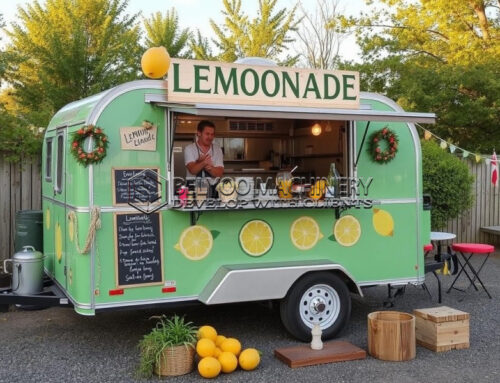
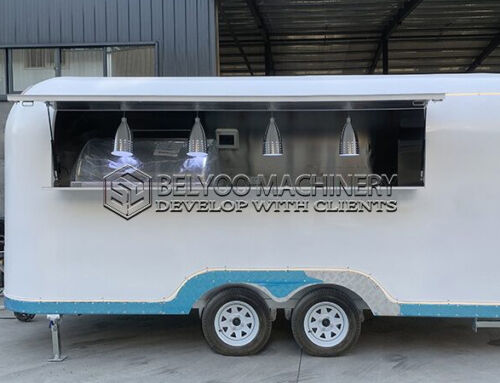
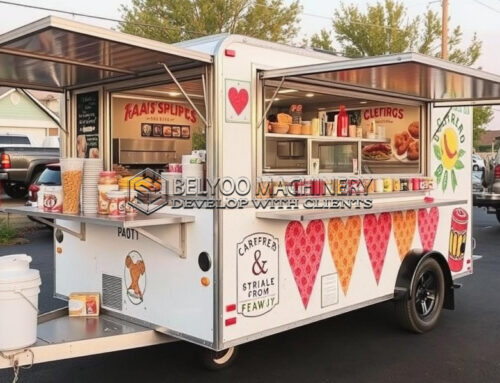
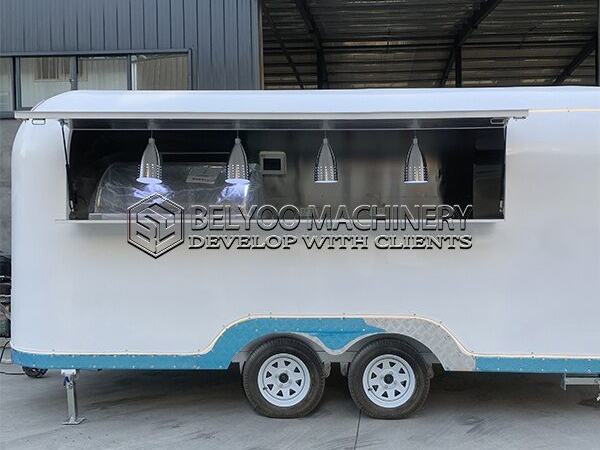
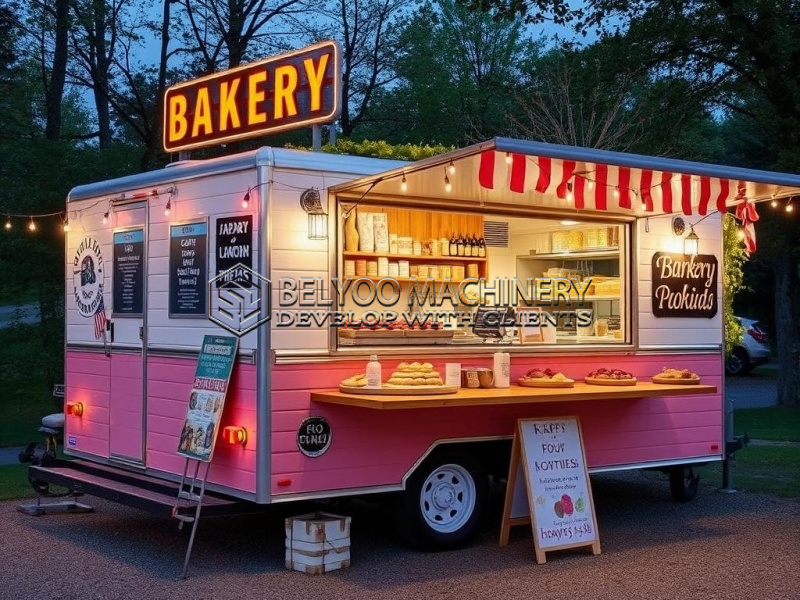
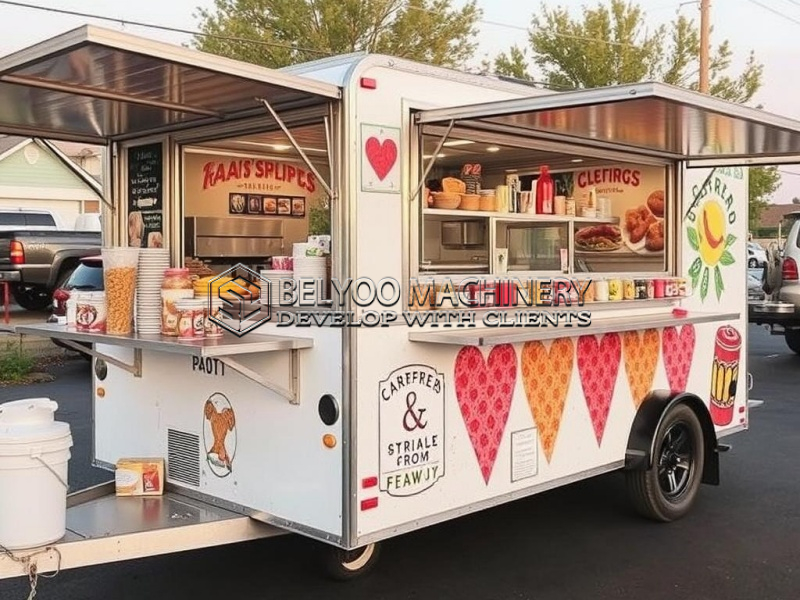
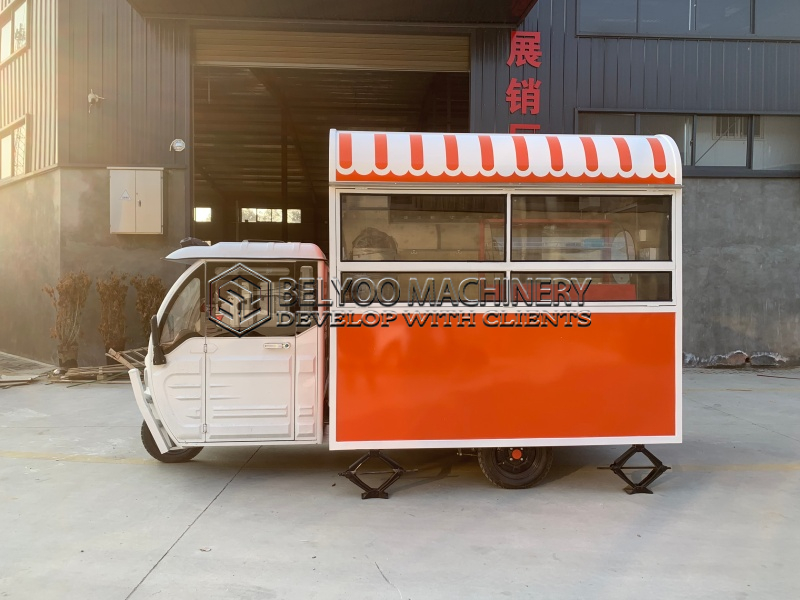
The hot dog cart is a mobile food truck designed specifically for street food sales. Its core product is hot dogs, while also supporting the on-site preparation and sale of a variety of snacks, such as sausages, corn dogs, and soft drinks. Its design incorporates lightweight construction, modular equipment, and high mobility, allowing for rapid deployment in high-traffic areas to meet immediate consumer demand. The truck’s main body is typically constructed of stainless steel or aluminum alloy, ensuring both durability and sanitation. Some high-end models feature an anti-corrosion coating for use in challenging outdoor environments.
Core Features
1.Modular Design, Comprehensive Functionality
- Modern hot dog carts break free from the limitations of a single product category, achieving multi-purpose functionality through modular layouts. For example, the Big Hot Dog Cart features six enclosed steamers, three commercial-grade cast iron burners, and a built-in refrigerator, allowing it to simultaneously handle hot food warming, grilling, and cold beverage storage. Some models even integrate eight commercial-grade gas burners, supporting large-scale cooking needs and ideal for venues such as sporting events and music festivals.
2.Mobility and Stability
- The cart features a detachable trailer design with a DOT-certified half-ton suspension system, allowing it to be towed by a standard vehicle. For example, the Original All American model weighs only 350 pounds yet can carry 200 cans of beverages and meats, with locks for enhanced transport security. Once at the venue, four corner supports and anti-skid wheel locks ensure operational stability.
3.Hygiene and Safety Standards
- Compliance is key to food truck operations. All mainstream models are equipped with a three-sink sink, a 5-7.5 gallon fresh water tank, and a separate wastewater tank to meet food hygiene regulations. The gas system features a two-stage regulating valve and automatic safety shutoff to reduce operational risks.
4.Branding and Customization Capabilities
- The food truck’s exterior supports LED light strips, neon signage, and 3D branding, attracting customers during nighttime operations. Some manufacturers offer customization options, including parasol color, locker layout, and equipment options, to help differentiate the brand.
Internal Equipment
1.Heating and Insulation System
- Steamers and Boilers: The standard configuration includes three to six 1/3-size steamers, up to six inches deep, capable of simultaneously warming dozens of hot dogs.
- Commercial Burners: High-powered burners ranging from 17,000 to 116,000 BTU enable rapid searing, and some models feature an infinitely adjustable knob for precise heat control.
- Hot Water System: An integrated electric water heater provides instant hot water for cleaning or making beverages. Refrigeration and Storage Solutions
- Top-mounted cooler: Insulated design holds up to 200 cans of beverages and fresh meats, with a bottom drain valve for simplified cleaning.
- Dry Goods Locker: Stainless steel sliding door cabinet provides 8 cubic feet of storage for paper cups, seasoning packets, and other consumables.
2.Workstation and Cleaning Facilities
- Non-slip stainless steel countertop: Designated areas for food preparation and packaging, with select models featuring a foldable expansion panel.
- Press-sensitive faucet: Dual hot and cold water supply for one-handed operation, improving cleaning efficiency.
3.Energy and Safety Features
- 20-pound propane tank: A single tank offers up to 50 hours of battery life, while dual tanks provide seamless switching.
- UL-certified power system: Supports a standard 110V outlet and can be connected to a juicer or cash register.
Application Areas
1.High-traffic public areas
- Commercial centers: Plazas outside shopping malls and near office buildings cater to office workers’ lunchtime snack needs.
- Transportation hubs: Airports, train stations, and subway station entrances capture commuter traffic. Tourist Attractions: Beaches, parks, and zoos offer specialty hot dogs (such as Chicago-style and New York-style) in casual settings.
2.Events and Festivals
- Sporting Events: Baseball stadiums and marathon finishes provide quick energy refueling.
- Music Festivals and Trade Shows: Utilize mobile power carts for 24/7 operation.
- Community Events: School sports meets and charity sales offer high exposure at a low cost.
3.Corporate Services and Customization
- Team Building: Provide customized menus and branding to enhance employee engagement.
- Weddings and Parties: Mini food carts offer a relaxed alternative to dessert tables.